
Knee Arthritis and Stairs: Planning More Manageable Daily Activity
One flight of stairs can become the part of the day you plan around. You may take longer to get laundry upstairs, hesitate at the steps outside a home or find that coming down is harder than going up.

If you have knee osteoarthritis, these details are worth discussing. The aim of care is not just a better pain number. It is helping you manage the activities you need and want to do, with a plan that fits your strength, balance and symptoms.
Quick takeaway
Regular, individually appropriate exercise is a core part of knee osteoarthritis care. You can also review stair safety and organize demanding tasks more thoughtfully. However, a newly hot, swollen, painful knee or an inability to bear weight needs urgent medical advice, even if you already have an arthritis diagnosis.
First, make sure arthritis explains the current problem
Not every painful knee has osteoarthritis, and a person with osteoarthritis can develop a separate injury or another joint problem. Tell a clinician if the pattern has changed, the knee locks or gives way, or a fall or twist started the pain.
NIAMS describes an assessment that considers symptoms, medical history and examination, with tests when appropriate. A label on an older report should not replace a fresh look at a new problem.
Seek urgent medical assessment for a knee that is newly hot, red, swollen and painful. Do not wait for fever to appear. Inability to bear weight, inability to straighten the knee, a major injury or feeling generally unwell also needs prompt advice. NHS musculoskeletal guidance identifies these changes as reasons to seek urgent care.
Describe the exact task that has become difficult
“Stairs hurt” is a useful start. More detail can make the discussion more practical:
Is going up, coming down or both difficult?
Does discomfort begin at the first step or after several trips?
Do you feel unsteady, or is pain the main limitation?
Are you carrying something when it is hardest?
Does the knee settle afterward, or remain more painful or swollen?
You do not need to repeatedly climb stairs to test yourself. Describe what you have already noticed. Mention whether you have changed how you move or stopped using part of your home.
Make the stair environment easier to manage
Keep steps clear, use secure handrails and make sure the route is well lit. Carrying a large basket can obscure the next step and leave no hand available for the rail. Ask for help with a load that makes the trip unsafe.
NIH fall-prevention guidance emphasizes clear walkways, good stair lighting and secure rails. These changes are particularly relevant when pain or reduced confidence makes an already demanding task harder.
Think about the routine as well as the staircase. Could frequently used items stay on the floor where you need them? Could someone else move the bulky laundry while you handle sorting? The point is to reduce an unnecessary obstacle, not to avoid all movement.
If you feel unsteady or have fallen, tell a healthcare professional. A physical or occupational therapist can assess stair use and any need for a walking aid. Do not borrow an unfamiliar aid and assume it is the right size or safe for stairs.
Keep exercise individual and repeatable
NICE osteoarthritis guidance recommends therapeutic exercise tailored to the person, including strengthening and general aerobic activity. Some people benefit from supervised sessions.
Ask which exercises fit your current ability, how to begin and how to adjust if the knee reacts. A program should account for other health conditions, balance and the activities you are trying to improve. Stair climbing does not have to be your starting exercise simply because stairs are your goal.
NICE notes that discomfort can increase when therapeutic exercise begins. That does not mean every painful response should be ignored. Ask what level and duration of discomfort are acceptable for you, and which changes should prompt a call. A hot, newly swollen joint or inability to bear weight is not something to push through.
Know what each part of a care plan is meant to do
Your clinician may discuss exercise, medicines, activity changes or other options based on your needs. Ask how each recommendation connects with a practical goal, such as using the steps at home more confidently.
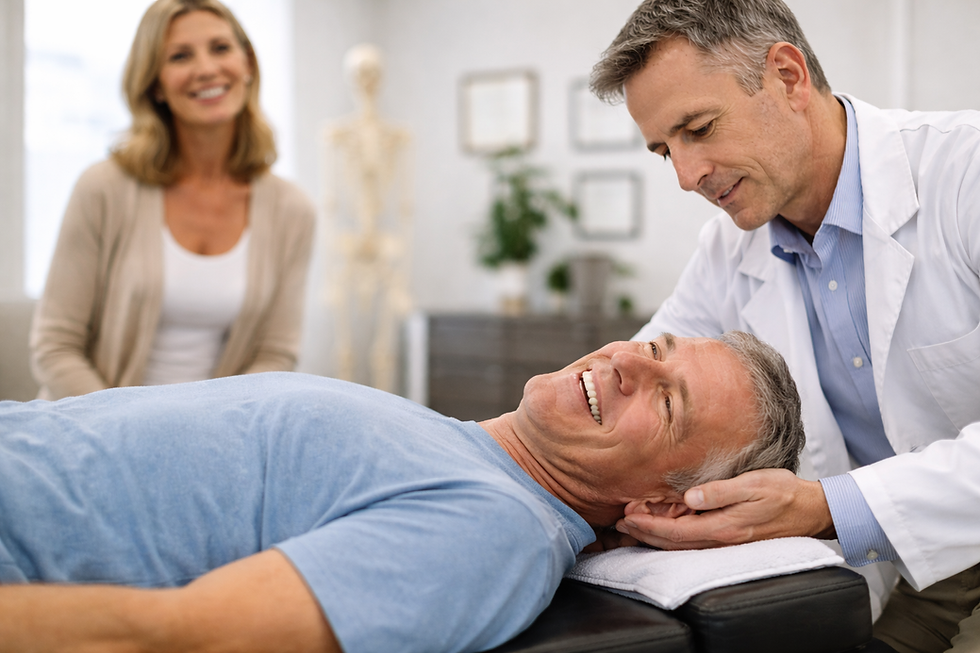
If manual therapy is proposed, keep its role clear. NICE says it may be considered for hip or knee osteoarthritis alongside exercise, and that evidence is insufficient to support it on its own. No hands-on treatment should be presented as a guarantee of cartilage regrowth or a replacement for appropriate medical care.
Bring a daily-life goal to your Waynesville visit
Haywood Spine and Nerve Chiropractic Center lists arthritis care among the conditions it discusses. Ask what an evaluation would include, what care is appropriate for your diagnosis and when referral or coordination with your medical team is needed.
Contact the office at 136 Waynesville Plaza, Suite 1, Waynesville, NC 28786, or call (828) 456-5700. Urgent joint changes should be assessed promptly rather than waiting for a routine visit.
This article provides general education, not a stair-training or exercise prescription.


Comments